BBA-LLB Integrated Programme: A Gateway to a Successful Career in Law and Business
June 4, 2026
B.Sc. Agriculture Admissions at Top University in India – Reviews, Facilities & Placements
June 10, 2026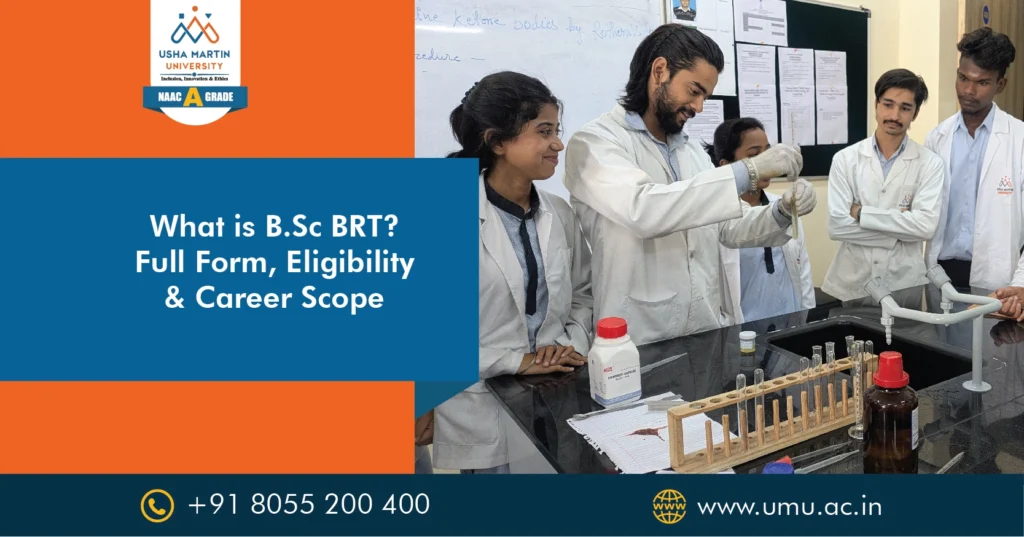
Have you ever wondered who helps patients breathe during medical emergencies? Have you seen ventilators, oxygen therapy equipment, or critical care units and wondered who operates them? Do you want to build a career in healthcare where your skills can directly help save lives every day?
If yes, then the B.Sc. Respiratory Technology course could be the perfect career path for you.
In recent years, respiratory healthcare has become one of the fastest-growing areas in the medical field. Increasing air pollution, respiratory infections, asthma, COPD, lung diseases, and critical care requirements have created a growing demand for trained respiratory technologists. Healthcare studies have consistently highlighted the rising need for respiratory care professionals in hospitals and intensive care units.
For students looking for a rewarding paramedical course after 12th, the Respiratory Technology BRT course offers excellent opportunities in hospitals, critical care units, pulmonary clinics, and healthcare organizations.
If you are searching for a quality BRT course in Ranchi, then Usha Martin University offers a career-oriented program that combines classroom learning, laboratory training, clinical exposure, and hospital-based practical education. The university offers the program with a duration of 4 years and focuses on respiratory care, pulmonary diagnostics, ventilator management, and critical care assistance.
B.Sc. BRT Full Form
The B.Sc. BRT full form is Bachelor of Science in Respiratory Technology. It is an undergraduate healthcare degree designed to train students in respiratory care, pulmonary diagnostics, ventilator management, oxygen therapy, and critical care support.
Students pursuing this program become skilled healthcare professionals capable of assisting doctors in diagnosing and managing respiratory disorders.
What is B.Sc. Respiratory Technology?
The B.Sc. Respiratory Technology course is a 4-year specialized healthcare program that focuses on diagnosing, monitoring, and treating respiratory disorders.
The program teaches students about:
- Respiratory Care
- Pulmonary Function Testing
- Oxygen Therapy
- Ventilator Management
- Critical Care Support
- Emergency Respiratory Services
- Patient Monitoring
- Respiratory Pharmacology
The healthcare sector has seen significant growth in respiratory care services due to increasing respiratory disorders and demand for critical care assistance. Healthcare facilities increasingly require trained respiratory technologists to operate advanced respiratory equipment and support patient care.
B.Sc. BRT Course Details
- Course Name: B.Sc. Respiratory Technology
- B.Sc. BRT Full Form: Bachelor of Science in Respiratory Technology
- Course Level: Undergraduate
- Duration: 4 years
- Eligibility: 10+2 with science with at least 50% marks
- Admission Process: Merit-Based
- Mode of Study: Regular
- Average Starting Salary: ₹3–6 LPA
Why Choose B.Sc. Respiratory Technology After 12th?
Choosing the right healthcare program after 12th grade is an important decision.
The B.Sc. Respiratory Technology course is ideal for students who want a healthcare career without pursuing MBBS. Respiratory technologists play a crucial role in patient care, especially in intensive care units, emergency departments, and pulmonary care centers.
One of the biggest advantages of this paramedical course after 12th is that students gain practical exposure alongside theoretical learning. The healthcare industry continues to expand, creating strong demand for trained respiratory professionals.
The Respiratory Technology BRT course also offers stable employment opportunities because respiratory care services are required in almost every major hospital.
Why Choose a Paramedical Course After 12th?
A paramedical course after 12th provides students with specialized healthcare skills that are highly valued in hospitals and healthcare organizations.
Benefits include:
- Faster entry into healthcare careers
- Strong practical exposure
- Growing demand for healthcare professionals
- Good salary potential
- Job stability
- Opportunities in government and private hospitals
- Meaningful patient-care roles
Healthcare remains one of the fastest-growing employment sectors in India.
B.Sc. BRT Eligibility at UMU
Students often search for eligibility before applying. For admission into the B.Sc. Respiratory Technology course, students at Usha Martin University must
- Students must have passed 10+2 from a recognized board.
- Have Physics, Chemistry, and Biology as compulsory subjects.
- They should have secured a minimum of 50% qualifying marks as per university norms.
The eligibility requirements for the program at Usha Martin University include 10+2 with science subjects and qualifying marks as prescribed by the university.
B.Sc. BRT Course Admission
The BSc BRT course admission process at Usha Martin University is simple and student-friendly.
Admission Process
- Fill out the application form.
- Submit academic documents.
- Complete eligibility verification.
- Merit-based selection.
- Confirm admission through fee submission.
Students interested in the BSc BRT course admission should apply early because healthcare programs often have limited seats.
BRT Course Duration
The duration of the BRT course in Ranchi at Usha Martin University is 4 years.
The program includes:
- Classroom Learning
- Laboratory Training
- Clinical Exposure
- Hospital Training
- Internship Experience
The four-year structure helps students develop strong clinical and technical skills.
B.Sc. Respiratory Technology Subjects
The curriculum covers both foundational medical sciences and advanced respiratory care topics.
Major subjects include:
- Human Anatomy and Physiology
- Respiratory System and Pulmonary Care
- Pulmonary Function Testing
- Mechanical Ventilation
- Respiratory Pharmacology
- Critical Care Technology
- Emergency Respiratory Support
- Medical Ethics and Patient Care
- Clinical Respiratory Care
- Healthcare Management
Students also receive practical training through laboratories, clinical sessions, and hospital internships.
Practical Training and Clinical Exposure
One of the strongest aspects of the BSc BRT programs offered at Usha Martin University is practical learning.
Students receive exposure through:
- Hospital Training
- Clinical Rotations
- ICU Exposure
- Pulmonary Diagnostic Labs
- Ventilator Management Sessions
- Emergency Care Training
- Laboratory Practice
The university emphasizes experiential learning through labs, simulations, workshops, and clinical exposure training.
BRT Course Fees at UMU
Students frequently search for BRT course fees before applying. According to the university’s official program information, the total BRT course fees for the B.Sc. Respiratory Technology program are approximately ₹445,000 for the entire course. Students should contact the admission office for the latest fee details, scholarship options, and payment facilities.
Skills Developed During the Course
The BSc BRT programs help students develop important technical and professional skills.
Technical Skills
- Pulmonary Diagnostics
- Ventilator Management
- Respiratory Therapy
- Critical Care Assistance
- Patient Monitoring
- Oxygen Therapy
Soft Skills
- Communication Skills
- Patient Care
- Teamwork
- Critical Thinking
- Clinical Decision Support
- Professional Ethics
Career Scope After B.Sc. Respiratory Technology
The career opportunities after completing the B.Sc. Respiratory Technology course are highly promising.
The increasing prevalence of respiratory diseases and critical care requirements has created long-term demand for respiratory professionals. Hospitals and healthcare facilities continue to expand respiratory care services, creating strong employment opportunities.
The career scope includes opportunities in:
- Hospitals
- Intensive Care Units
- Pulmonary Care Centers
- Emergency Care Units
- Rehabilitation Centers
- Diagnostic Laboratories
- Multi-Specialty Healthcare Institutions
Job Profiles After B.Sc. Respiratory Technology
Graduates can pursue various healthcare roles, including:
- Respiratory Therapist
- Pulmonary Function Technician
- Ventilator Technician
- Respiratory Care Specialist
- ICU Respiratory Technician
- Critical Care Technologist
- Pulmonary Care Assistant
- Clinical Respiratory Technologist
These positions are becoming increasingly important in modern healthcare systems.
Salary After B.Sc. Respiratory Technology
Fresh graduates can expect starting salaries of approximately the following:
Fresher Salary
- ₹3–6 LPA
Experienced Professionals
- ₹6–12 LPA or more
Salary growth depends on skills, clinical experience, specialization, and employer type.
Higher Studies Options After B.Sc. BRT
After completing the program, students can pursue the following:
- M.Sc. Respiratory Technology
- Master of Hospital Administration
- MBA in Healthcare Management
- Clinical Research Programs
- Specialized Critical Care Certifications
Higher education can help students move into advanced clinical, research, and management roles.
Top Recruiters After B.Sc. Respiratory Technology
Major recruiters include:
- Apollo Hospitals
- Fortis Healthcare
- Medanta
- Max Healthcare
- Narayana Health
- Government Hospitals
- Multi-Specialty Hospitals
- Pulmonary Care Centers
- Diagnostic Chains
- Critical Care Facilities
Why Choose Usha Martin University for B.Sc. Respiratory Technology?
Choosing the right institution is crucial for building a successful healthcare career. Usha Martin University offers a well-structured BRT course in Ranchi that combines academic learning with practical healthcare training.
The university provides:
- Industry-Oriented Curriculum
- Experienced Faculty
- Clinical Training Opportunities
- Modern Laboratories
- Hospital Exposure
- Skill-Based Learning
- Placement Assistance
- Career Guidance
The Department of Health & Paramedical Science focuses on practical training, laboratory learning, clinical exposure, and industry-focused education to prepare students for modern healthcare careers.
Conclusion
To conclude, B.Sc. Respiratory Technology is one of the most promising paramedical programs for students who want to build a successful career in the healthcare sector. With the rising number of respiratory disorders, critical care cases, and advanced healthcare facilities, the demand for trained respiratory technologists continues to grow across India and globally.
The course provides in-depth knowledge of respiratory care, pulmonary diagnostics, ventilator management, and patient monitoring, along with valuable clinical and practical exposure. Students develop the technical skills and professional confidence required to work effectively in hospitals, intensive care units, emergency care centers, and specialized healthcare institutions.
For students looking for a career-oriented paramedical course after 12th, Usha Martin University offers a well-structured program that combines academic excellence with hands-on training. With modern infrastructure, experienced faculty, industry-focused learning, and placement support, the university provides an ideal platform to start a rewarding and future-ready career in respiratory healthcare.